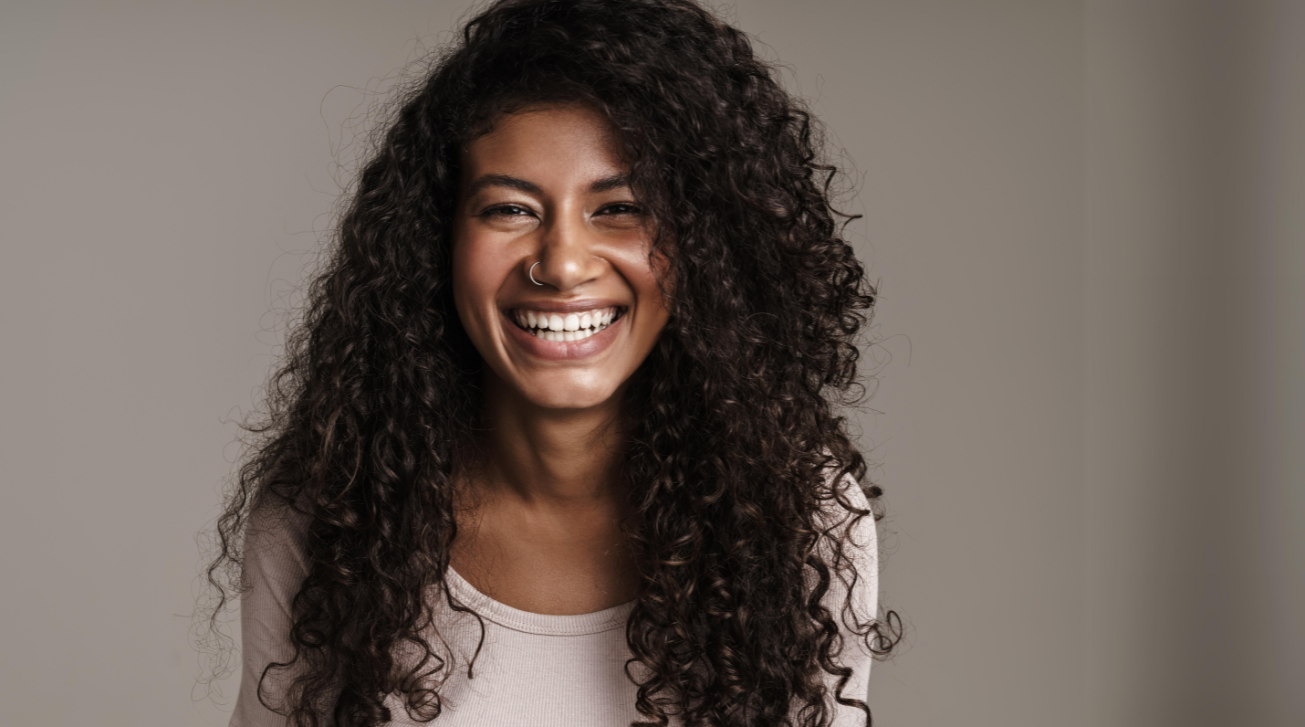
Curly hair is vibrant, full of life, and a surefire way to make a statement. But not everyone feels ready to jump into the world of curls without first asking, Is curly hair the right style for me? Exploring curly hair can be an exciting, confidence-boosting journey, but understanding if it’s the right fit can make all the difference in your hair-care routine and style choices. This guide explores everything you need to consider before making the curly hair leap, from face shape and hair texture to lifestyle and maintenance requirements.
1. Understanding the Appeal of Curly Hair
Curly hair often feels bold and dynamic, adding a unique charm to a person’s appearance. With natural bounce and volume, curly hair effortlessly draws attention, allowing you to express your personality with style. For many, it can be an empowering choice that complements a lively, spirited character. However, achieving and maintaining those well-defined curls can be a journey, and it’s crucial to determine if you’re ready for the commitment and styling time that curls often require.
2. Assess Your Face Shape
Just like with any hairstyle, curly hair can look vastly different depending on your face shape. Here’s a quick breakdown of how curls complement various face shapes:
pointOval:
Lucky you! Oval faces suit most hairstyles, and curls can bring out your features without overwhelming them.
pointRound:
Curls can add angles to a round face, especially with layered styles that avoid too much volume around the cheeks.
pointSquare:
Softer curls or waves soften the strong angles of a square face, lending a delicate and balanced look.
pointHeart:
Curls that add volume near the chin can help balance a heart-shaped face, especially styles that don’t emphasize the crown area too much.
pointDiamond:
Layers and bouncy curls can add width to the jawline, balancing out the narrow chin and forehead typical of a diamond-shaped face.
Face shape isn’t a strict rule, but it provides a foundation for knowing how curly hair will likely frame and complement your features.
3. Consider Your Natural Hair Texture
Your natural hair texture can be a strong indicator of how easily you’ll be able to maintain and style curls. Hair texture typically falls into four types: straight, wavy, curly, and coily. Here’s how each texture might respond to curly styles:
checkedStraight Hair:
Straight hair can hold curls with the help of styling products, curling irons, or perms, but achieving natural-looking curls might require more frequent styling.
checkedWavy Hair:
Wavy hair has a natural inclination towards curls and may require less effort to define and maintain a curly style.
checkedCurly Hair:
If you already have a curly or semi-curly texture, working with your natural curls can be easier. It just may require some care with defining products.
checkedCoily Hair:
Coily hair has the tightest curl pattern, which may benefit from moisture and curl-enhancing products but will naturally maintain a curly structure.
If your hair is naturally straight, you may need a perm or regular heat styling to achieve and sustain curly hair. Knowing your hair type can help set realistic expectations for what your curls might look like and how much work you’ll need to put in.
4. Explore Different Types of Curly Hairstyles
Curly hair isn’t one-size-fits-all. From loose, beachy waves to tight corkscrews, there’s a spectrum of curly hairstyles to choose from. Here are some popular types:
pointBeach Waves:
A looser, more relaxed style, often achieved with heat styling or by braiding damp hair.
pointSoft Curls:
Medium curls that add volume and bounce without going overboard on texture.
pointRinglets:
Tighter, more defined curls that add a dramatic flair to your look.
pointCoils:
For those with naturally kinky hair, coils add texture and volume that celebrate natural curls.
Understanding these types of curls can help you visualize what you want and gauge how much styling will be necessary to achieve your ideal curly look.
5. Are You Ready for the Upkeep?
One of the most important factors in deciding on curly hair is understanding the upkeep involved. While curly hair is undoubtedly stunning, it requires dedication to maintain, as curls can lose shape, frizz up, or become dry if not properly cared for. Here’s what you should consider in terms of curly hair maintenance:
pointMoisture:
Curls thrive on moisture, which means frequent conditioning and deep conditioning treatments to keep them hydrated and frizz-free.
pointStyling Products:
You may need to invest in curl creams, gels, leave-in conditioners, and oils to keep your curls looking fresh and defined.
pointDrying Time:
Air drying is often preferred to prevent frizz, but it can take longer. Alternatively, using a diffuser can speed up the process without disrupting the curl pattern.
pointRegular Trims:
Curls can develop split ends easily, so regular trims are essential to maintaining shape and health.
If you’re prepared to commit to these steps, curly hair can be incredibly rewarding, giving you a unique and head-turning look.
6. How Active Is Your Lifestyle?
Curly hair requires a bit more attention, especially if you live an active lifestyle. Regular workouts, time outdoors, or daily exposure to humidity can impact how well curls hold up. If you’re frequently on the go, consider if you have the time for refreshing and maintaining your curls regularly. Lightweight products and moisture-locking methods can help, but knowing the added care needed can help you make an informed decision.
7. Try Temporary Curly Styles First
If you’re still uncertain, why not give curly hair a trial run?Temporary methods like heat-styled curls, overnight braids, or using a curling wand can give you a taste of what it’s like to have curly hair without a permanent commitment. Another option is hair extensions or clip-ins with curly textures to see how the style fits your features and lifestyle. These temporary styles give you flexibility and help you decide if curly hair suits you without a long-term commitment.
8. Pros and Consf Curly Hair
Here’s a quick rundownf the benefits and challengesf curly hair to help make your decision easier.
Pros:
pointUnique and eye-catching look
pointAdds volume and dimension
pointGreat for expressing a fun, lively personality
pointWorks well with a varietyf styles and accessories
Cons:
pointCan be time-consuming to maintain
pointProne to frizz, especially in humid weather
pointMay require frequent moisturizing and product use
pointCan be unpredictable and may not hold shape without styling products
Face shape isn’t a strict rule, but it provides a foundation for knowing how curly hair will likely frame and complement your features.
9. Consulting with a Professional Stylist
Finally, a consultation with a professional stylist can be incredibly helpful in deciding if curly hair is right for you. An experienced stylist can assess your hair type, face shape, and overall look, providing personalized advice on whether curly hair would be a good fit. They can also recommend the best styling methods and products to achieve and maintain your curls.
10. The Verdict: Is Curly Hair for You?
Choosing to go curly is a personal decision that depends on your lifestyle, face shape, and level of commitment. For those who are ready to embrace the curly life, it can be a beautiful way to express individuality and style. Just remember that while curly hair has unique needs, the rewards of a stunning, curly look often make the effort worthwhile. Whether you go for beachy waves or tight coils, curly hair can help you embrace a fun, bold side of yourself—if you’re ready for the adventure.