
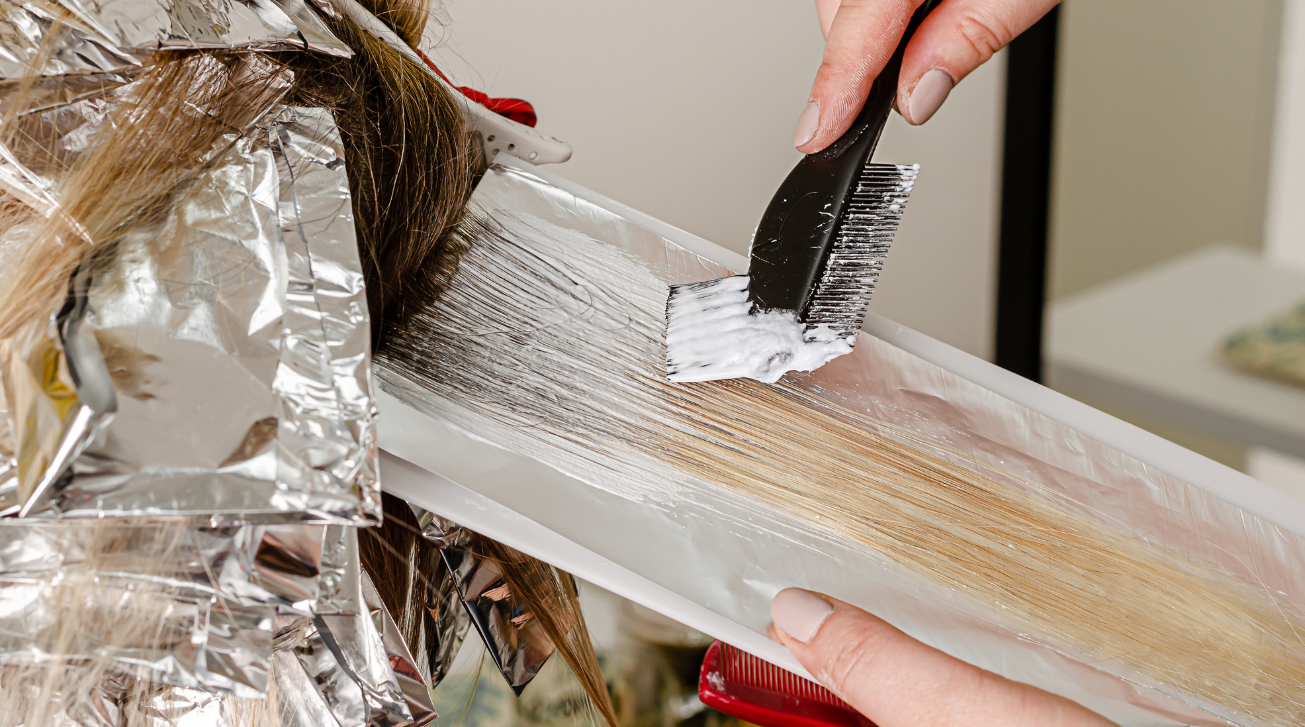
Bleaching your hair can be a transformative experience, offering a fresh and bold new look. Whether you’re going platinum blonde, achieving theperfect balayage, or preparing for vibrant, colorful dye, bleach is often a necessary step. However, it’s crucial to approach bleaching with care, as it can be tough on your hair and scalp. So, the big question is: how often should you bleach your hair?
In this detailed guide, we’ll cover everything you need to know about safely spacing out your bleaching sessions, maintaining hair health, and achieving your dream look without long-term damage.
Understanding Hair Bleaching
Hair bleaching involves a chemical process that strips your hair of its natural pigment. This is typically done using a mixture of bleach powder and developer. The developer contains hydrogen peroxide, which lifts the hair cuticle, allowing the bleach to penetrate and remove color.
While the process is effective for lightening your hair, it also weakens its structural integrity. Bleaching can lead to dryness, breakage, and split ends if not managed properly. This is why the frequency of bleaching is such a critical factor.
How Often Can You Bleach Your Hair?
The general rule of thumb is to wait at least 6 to 8 weeks between bleaching sessions. This allows your hair time to recover from the previous treatment and regain some of its natural moisture and strength. However, this timeline can vary depending on several factors:
1. Hair Type and Condition
pointHealthy Hair:
If your hair is strong and in good condition, it can handle bleaching better than damaged or brittle hair. You may be able to bleach again within the 6-8 week window.
pointDamaged Hair:
If your hair is already dry, brittle, or has split ends, you’ll need a longer recovery period-sometimes 10-12 weeks or more.
2. Natural Hair Color
pointDark Hair:
If you have naturally dark hair, achieving a light blonde or platinum shade may require multiple bleaching sessions. It’s essential to space these out to avoid over-processing.
pointLight Hair:
If your hair is already light, a single bleaching session might be enough, meaning you won’t need to bleach again as frequently.
3. Desired Results
If you’re transitioning to a significantly lighter shade, you’ll likely need multiple sessions. Be patient—rushing the process can result in severe damage.
For touch-ups on regrowth, you can bleach smaller sections of hair after 4-6 weeks, as this is less damaging than bleaching your entire head.
Why Is It Important to Wait Between Sessions?
Bleaching your hair too often can lead to irreversible damage. Here’s why waiting is essential:
checkedHair Recovery:
Bleaching weakens the protein bonds in your hair, making it fragile. Waiting allows your hair to rebuild its structure.
checkedMoisture Balance:
Bleach strips your hair of natural oils, leading to dryness. A recovery period helps restore hydration and elasticity.
checkedScalp Health:
The chemicals in bleach can irritate or damage your scalp. Waiting between sessions reduces the risk of chemical burns or sensitivity.
Signs Your Hair Is Ready for Bleaching Again
Before scheduling your next bleaching session, check for these signs that your hair is healthy enough to undergo the process:
dotElasticity Test:
Gently stretch a strand of hair. If it stretches and returns to its original shape without breaking, it’s in good condition.
dotNo Excessive Breakage:
If your hair isn’t snapping or shedding excessively, it may be ready for bleaching.
dotMoisture Levels:
Well-hydrated hair feels soft and doesn’t have a straw-like texture.
If your hair fails these tests, focus on repairing it before applying more bleach.
How to Care for Your Hair between Bleaching Sessions
Proper aftercare is essential for maintaining healthy hair and preparing for future bleaching. Follow these expert tips:
1. Use Hydrating Products
point
Invest in a high-quality moisturizing shampoo and conditioner designed for color-treated or damaged hair.
point
Use a deep conditioning treatment or hair mask at least once a week to replenish lost moisture.
2. Avoid Heat Styling
point
Minimize the use of hot tools like curling irons, flat irons, and blow dryers. Heat can exacerbate dryness and breakage.
point
If you must use heat, apply a heat protectant spray beforehand.
3. Incorporate Protein Treatments
point
Bleach breaks down the protein in your hair, so using a protein treatment can help rebuild strength.
point
Be cautious not to overdo it, as too much protein can make your hair stiff and brittle
4. Trim Split Ends
point
Regular trims help remove damaged ends, preventing breakage from spreading further up the hair shaft.
5. Protect Your Hair
point
Wear a hat or scarf to shield your hair from UV rays, which can further weaken bleached hair.
point
Avoid chlorine and salt water, or use a protective hair treatment if swimming.
Alternative Solutions to Frequent Bleaching
If you’re looking for lighter hair without the risks of frequent bleaching, consider these alternatives:
Highlighting or Balayage
point
These techniques lighten specific sections of hair rather than the entire head, reducing overall damage.
Toning Treatments
point
A toner can help neutralize unwanted brassy tones and enhance your current color without the need for additional bleach.
Gradual Lightening
point
Lighten your hair in stages over several months to minimize damage.
Hair Extensions
point
Use extensions to achieve a lighter look without coloring your natural hair.
Expert Tips for Your Next Bleaching Session
When it’s time to bleach your hair again, follow these tips for the best results:
1. Consult a Professional
dot
A professional stylist can assess your hair’s condition and recommend the safest approach.
dot
They have access to high-quality products that are gentler on your hair.
2. Perform a Strand Test
dot
Before applying bleach to your entire head, test a small section of hair to ensure it can handle the process.
3. Use a Low-Volume Developer
dot
A lower-volume developer (10 or 20 volume) is less damaging and allows for a slower, more controlled lightening process.
4. Prioritize Scalp Protection
dot
Apply a protective barrier, like petroleum jelly, around your hairline to prevent scalp irritation.
Common Mistakes to Avoid
Bleaching Too Frequently:
Overlapping bleach on already lightened hair can lead to breakage.
Skipping Aftercare:
Neglecting your hair’s recovery needs will make it prone to damage.
Using Harsh Products:
Avoid shampoos with sulfates or alcohol, as they can strip moisture.
Rushing the Process:
Trying to achieve your desired color in one session increases the risk of over-processing.
Bleaching your hair is an art that requires patience and care. How often you should bleach your hair depends on your hair type, condition, and goals, but the general rule is to wait at least 6 to 8 weeks between sessions. Prioritize hair health by following a robust aftercare routine, consulting professionals, and being mindful of the signs your hair gives you.
By approaching the process thoughtfully, you can achieve stunning results while keeping your hair strong and beautiful. Ready to start your hair transformation journey? Take the time to prepare, and let your gorgeous bleached locks shine!